Oil Caddy
Harnessing the green energy potential in domestic waste cooking oil
The need
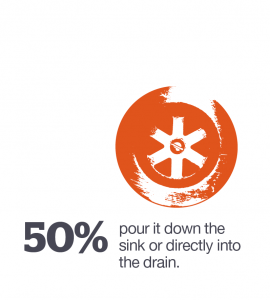
129 kilotonnes of waste vegetable oil (WVO) is disposed of annually – much of which is poured down drains – which could power 129,000 homes with carbon neutral electricity. Meanwhile, every year 6.7 million drains in the UK get blocked. Fat and oil contribute to 75% of these blockages or ‘fatbergs’ which contaminate water supplies, cause sewage floods, damage drains and encourage vermin. Clearing blockages is expensive; Thames Water clears around 55,000 sewer blockages annually at a cost of £12 million.
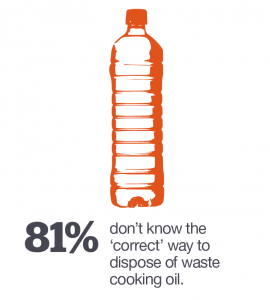
Advice on the correct disposal method for cooking oil is confusing and not readily available. According to water companies’ websites, used oil should be put into a sealable container and into the general rubbish bin. However, this increases the amount of potentially recyclable waste going to landfill, and misses the opportunity to harness the energy potential of cooking oil.
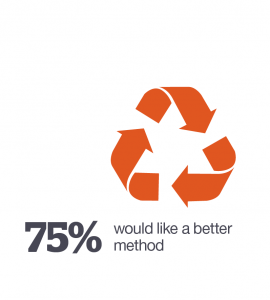
Used cooking oil is messy to deal with and hazardous when hot. People want an easy, quick, clean way to dispose of it.
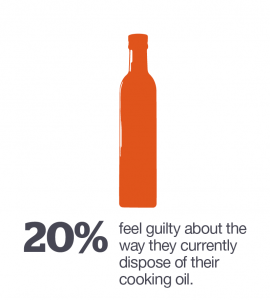
During our research with householders:
‘We would be more likely to recycle used cooking oil if there was a home collection scheme’.
Questionnaire respondent
‘This has always troubled me!’
Questionnaire respondent
In order to survive the current energy crisis and slow down climate change, there is an increased focus on renewable energy sources as a less alternative ‘alternative’ to fossil fuels.
In addition, increasing urban populations will add pressure to sewer systems unless behaviour changes. Thames Water have 15 million customers and spend £1 million every month clearing blockages. This issue is a financial headache for them and the 11 other suppliers serving 27m UK households.
The solution
Oil Caddy is an attractive kitchen caddy that stores used cooking oil as part of a collection network enabling communities to effortlessly harness it’s energy potential. Residents visit participating local restaurants with full caddies or give to take-away drivers delivering food to homes, which are replaced with empty, clean ones. Domestic cooking oil is combined with caterers’ waste vegetable oil for conversion to biofuel.
Oil Caddy offers value in a number of ways:
Householders: solves domestic disposal problem.
Environment: cuts down on landfill and water contamination and increases production of green fuels.
Economical: savings for water companies and participating agencies and domestic and business users.
Oil Caddy will educate households about the consequences of pouring oil down the sink and facilitate responsible disposal, whilst protecting sewers from costly blockages and providing a valuable raw material.
We want to make the responsible disposal of cooking oil a ‘normal’ activity, comparable to the now popular behaviour of returning plastic carrier bags to supermarket delivery drivers when dropping online food orders to homes.
Next steps
We’d like to see Oil Caddy integrated into local authority waste management to become fully sustainable, long term, allowing for councils to earn income through the sale of WVO and become more self-sufficient with less reliance on government grants.
To do this, we will be running a pilot with a small number of users in order to gather further evidence and provide the proof required for Oil Caddy to become part of normal, national household waste collection, to ensure maximum possible impact.
Get involved
We’re looking to speak to different potential partners to help us on the next stage of our journey. If you have feedback, questions or want to get involved, please get in touch. We’re particularly interested in speaking to water suppliers, local authorities, commercial waste handlers, restaurants and take-aways, local environmental groups, product developers and individuals interested in getting involved with the pilot.
Please email belinda@mooreandmoorecreative.com.
You can also help us with our user-research by answering our short questionnaire here.
To keep up to date with our progress, follow us on Twitter @mandmchange and subscribe to our newsletter here.